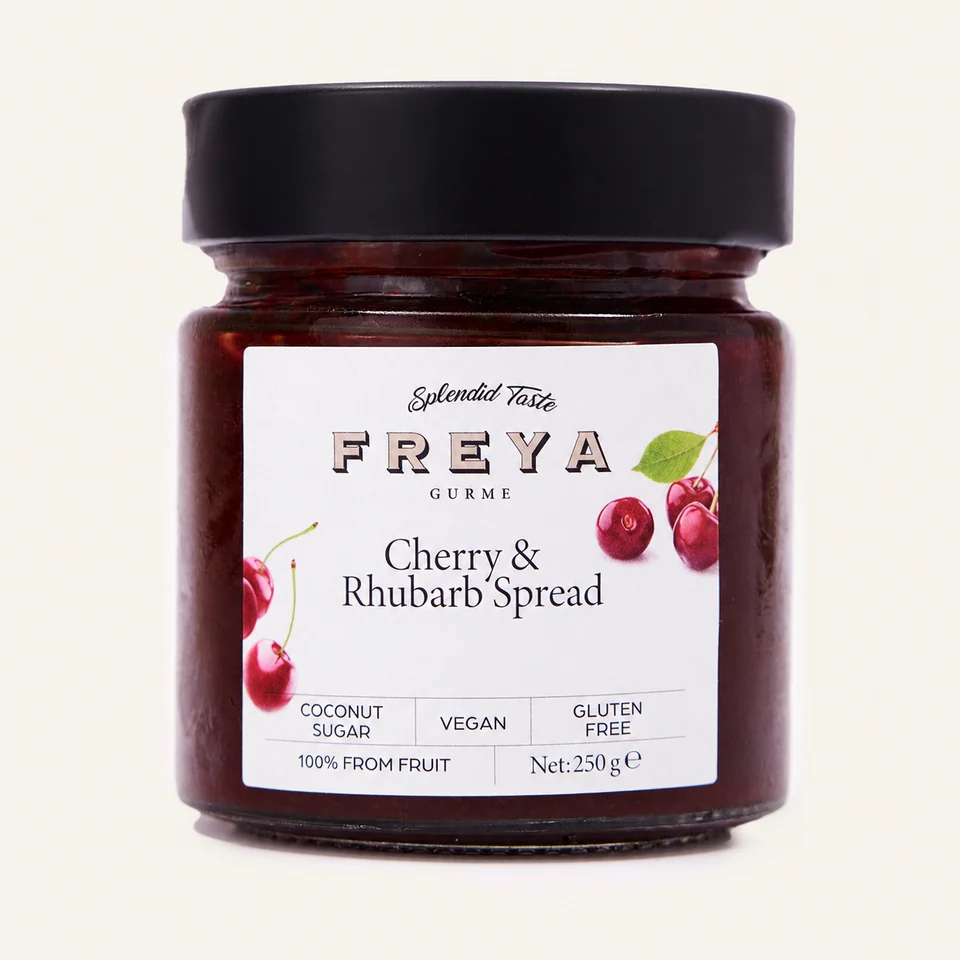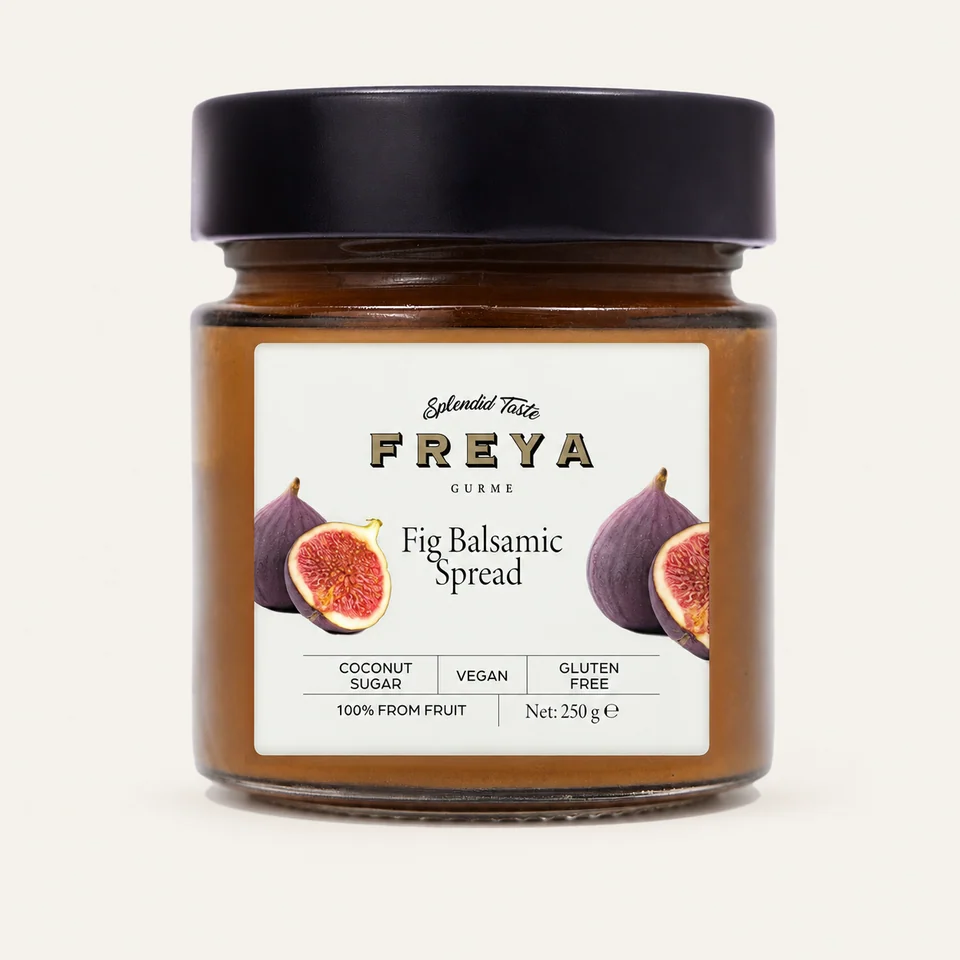
A tart fruit sauce brings contrast to a rich roast. Sweetness, acidity, and a little spice can complement poultry, beef, or lamb, especially on a table with buttery potatoes and roasted vegetables. The sauce should add another flavor, not hide the meat or make the whole plate uniformly sweet.
Cherry-rhubarb and fig-balsamic flavors offer different starting points: the first brings a brighter fruit tartness, while the second has a rounder, deeper character. Taste your chosen spread with the other ingredients and adjust its texture to the dish.
Turkey and other roast poultry
Serve the sauce warm or at the temperature specified by its recipe, either beside sliced turkey or in a separate bowl. For a glaze, brush on a thin layer toward the end of cooking and watch carefully. Sugars in a fruit sauce can brown quickly and may burn if exposed to strong heat for too long.
A glaze adds flavor and surface color; it does not guarantee moist meat. Follow a complete roasting method and check the poultry's doneness independently of how the glaze looks.
A pan sauce for beef
After cooking the beef, remove it from the pan to rest. Lower the heat, add a little stock or other suitable liquid, and loosen the browned bits. Stir in a small amount of tart fruit sauce and taste. Add liquid gradually if the mixture is too thick.
Serve the sauce alongside the sliced meat or spoon a little onto the plate first. This lets the seared surface retain some texture and gives each guest control over the amount.
Lamb and winter vegetables
Lamb's rich flavor can work with a tart fruit accompaniment. Keep the first pairing simple, with roasted shallots or root vegetables. A little sauce beside the lamb may be more effective than a heavy coating over everything.
If you choose to glaze during cooking, use the same restraint as with poultry: a thin layer, applied late enough to limit scorching, and close attention to the surface.
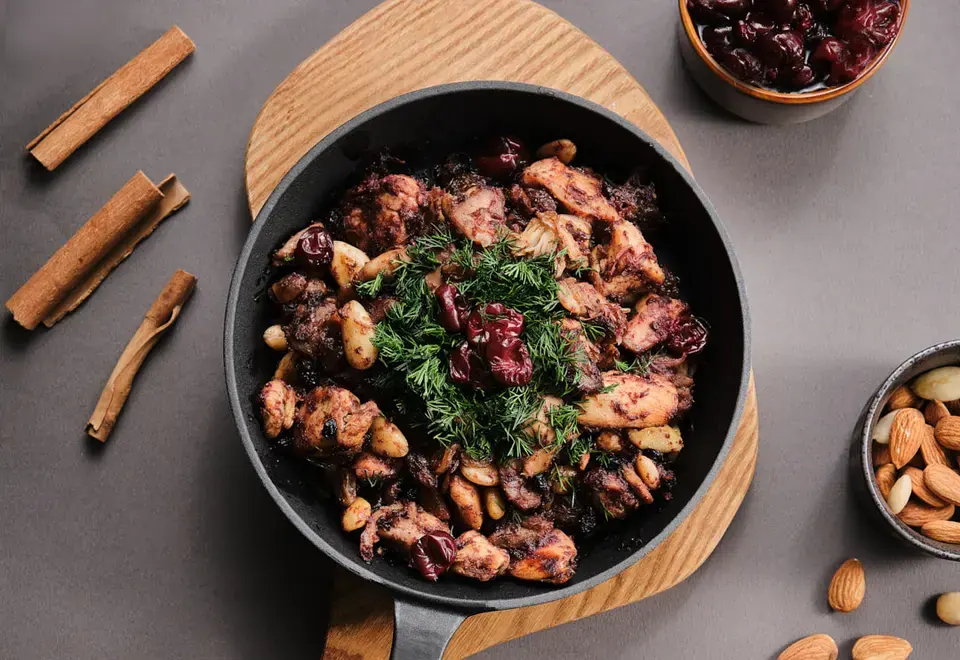
Chicken thighs
A fruit-based marinade can give chicken a sweet-tart direction. Follow a complete recipe for the proportions, refrigerated marinating time, and cooking method. Reserve a separate clean portion of sauce before any comes into contact with raw chicken.
For a sticky finish, add a light layer near the end of cooking. Avoid assuming that a long marinade makes overcooking impossible; texture still depends on the cut and the cooking process.
Beyond the main roast
The same flavor direction can work with a cheese board, a sandwich made with cooked leftovers, or roasted vegetables. Tart fruit is not limited to a holiday meal. Choose the amount according to the other ingredients and follow the sauce's label for storage after opening.