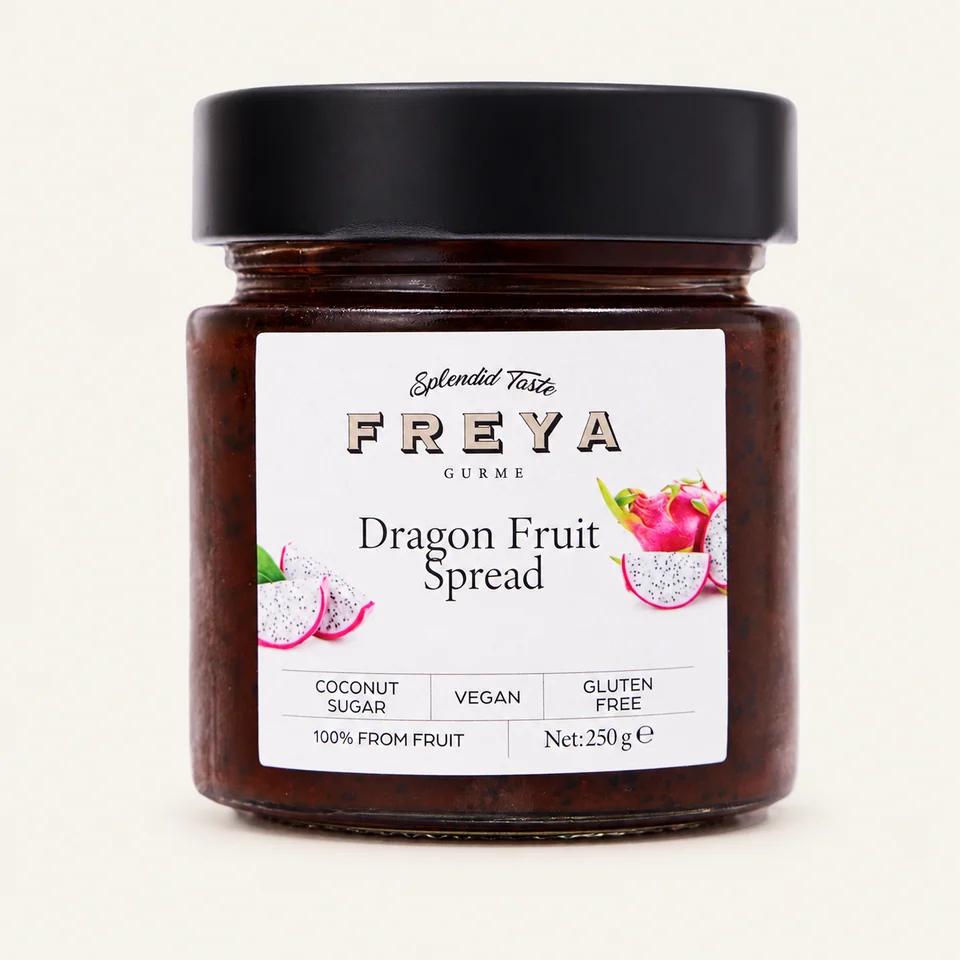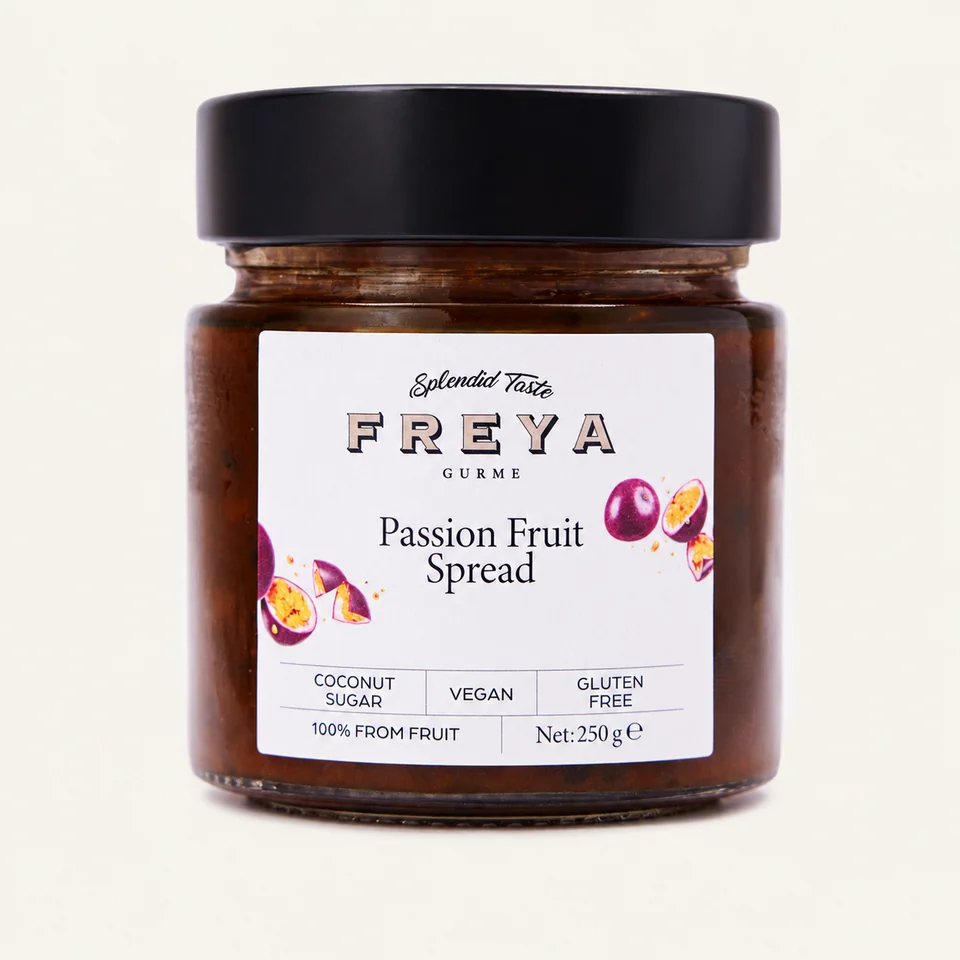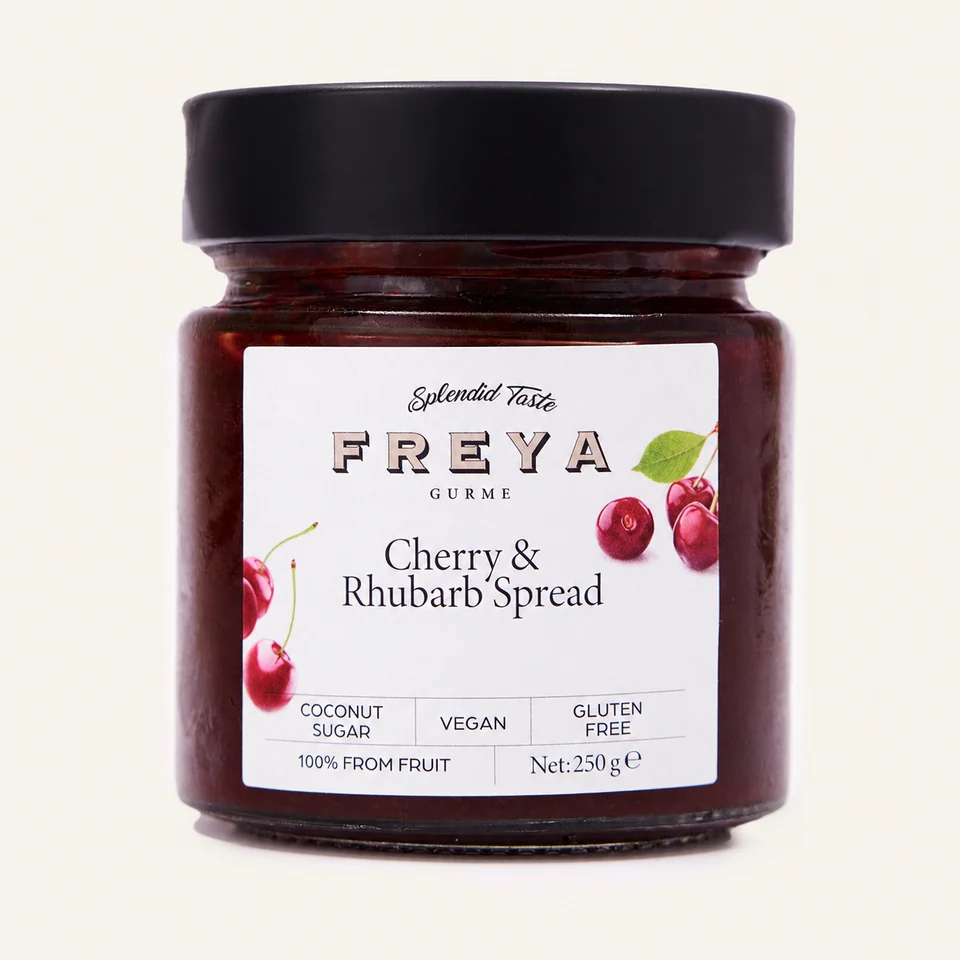
Fruit spreads range from soft, spoonable sauces to firm preserves. Some emphasize a single fruit; others combine fruit with herbs, spices, or peppers. Knowing what is in the jar helps you choose the right texture and flavor for breakfast, dessert, or a savory dish.
Start with the fruit
Read the ingredient list to see which fruit the spread contains. If the producer supplies a fruit percentage, use it alongside the full recipe rather than treating it as a complete measure of quality. Different fruits need different balances of sweetness and acidity to make a pleasing spread.
Recognize added sweeteners
Coconut sugar, cane sugar, honey, and syrups are sweeteners. A product can use coconut sugar and still contain added sugar. A description such as “no refined white sugar” should never be read as “sugar-free.” Freya fruit spreads that list coconut sugar should be understood accordingly.
Understand texture ingredients
Pectin helps fruit mixtures thicken or set. It can appear on a straightforward fruit-spread label, including as apple pectin. Do not assume that every thickener is an unwanted filler, or that a thicker spread necessarily contains more fruit. Choose the consistency that suits your use.
Look closely at flavor and color claims
A vivid color or strong aroma may come from the ingredients, but the appearance alone cannot tell you the recipe. Use the label to check for added flavorings or colors. Likewise, statements about preserving vitamins or nutrients during cooking require evidence beyond a general description of the process.
Match the jar to the meal
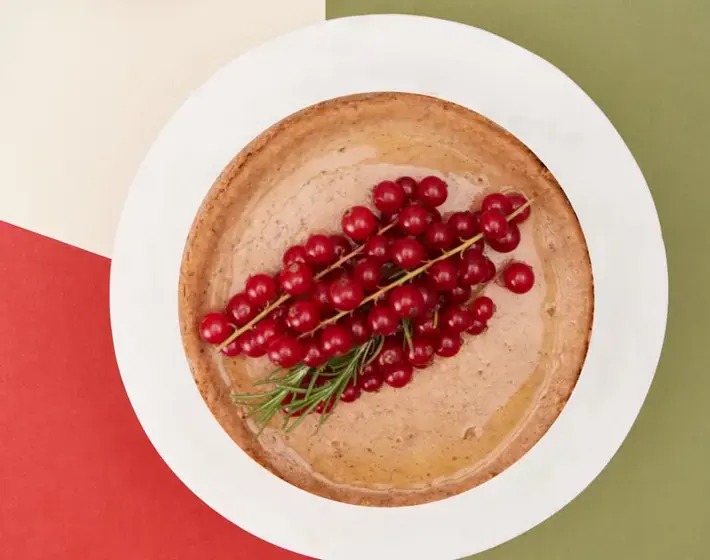
For yogurt and pancakes, a soft spread is easy to spoon or swirl. For cheesecake, let the cake cool before adding the fruit topping so the layers stay distinct. For cheese, start with a small amount and compare the fruit's sweetness with the cheese's salt and acidity.
To make a dressing, whisk a small amount of spread with olive oil and an acidic ingredient such as lemon juice or vinegar. Add liquid gradually until the dressing coats the leaves lightly. For a savory glaze, brush the spread on near the end of cooking and watch for scorching.
Store according to the label
“No preservatives” does not tell you how long a jar will keep after opening. Follow the product's refrigeration and use instructions, keep the lid clean, and use a fresh spoon. Buy a size you can enjoy in several dishes instead of letting a special-purpose jar sit forgotten.