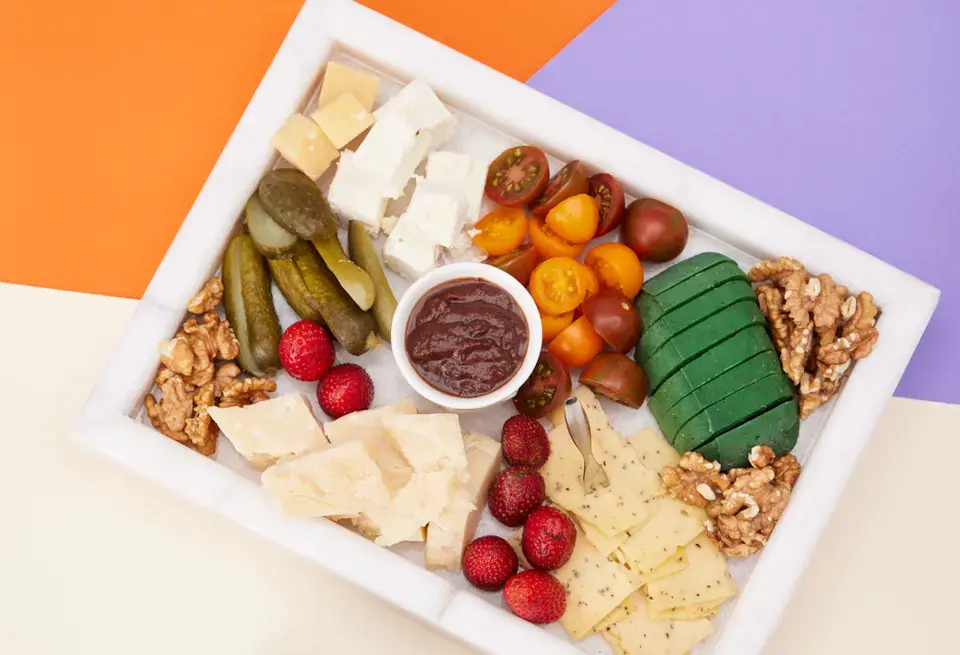
A cheese board is easier to enjoy when its arrangement reflects how people will eat from it. Give each cheese room, keep moist accompaniments in small bowls, and offer a few distinct flavors rather than many similar ones. Spreads provide useful contrasts in sweetness, acidity, spice, and color.
Build a range of textures
Choose cheeses with different textures: firm and sliceable, soft and creamy, fresh and crumbly. Add plain bread or crackers for a neutral base. Fruit, nuts, and spreads should support those choices rather than make the board difficult to navigate.
Pair according to intensity
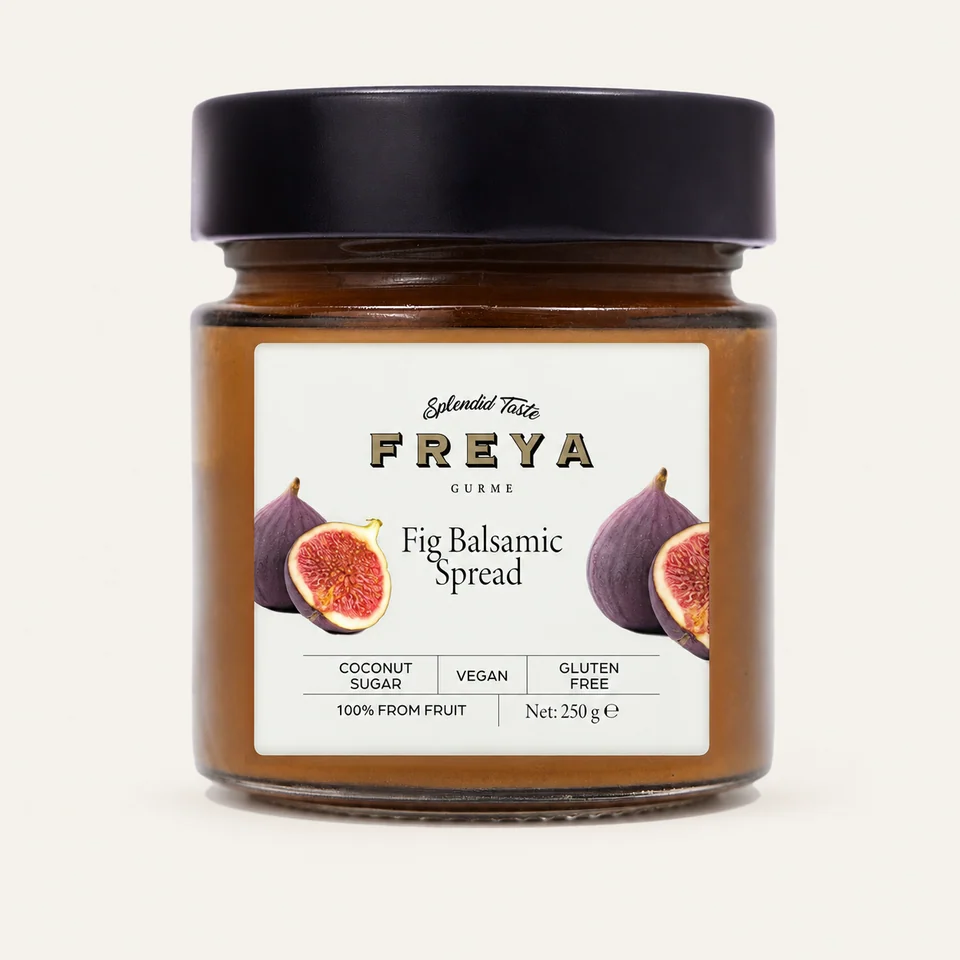
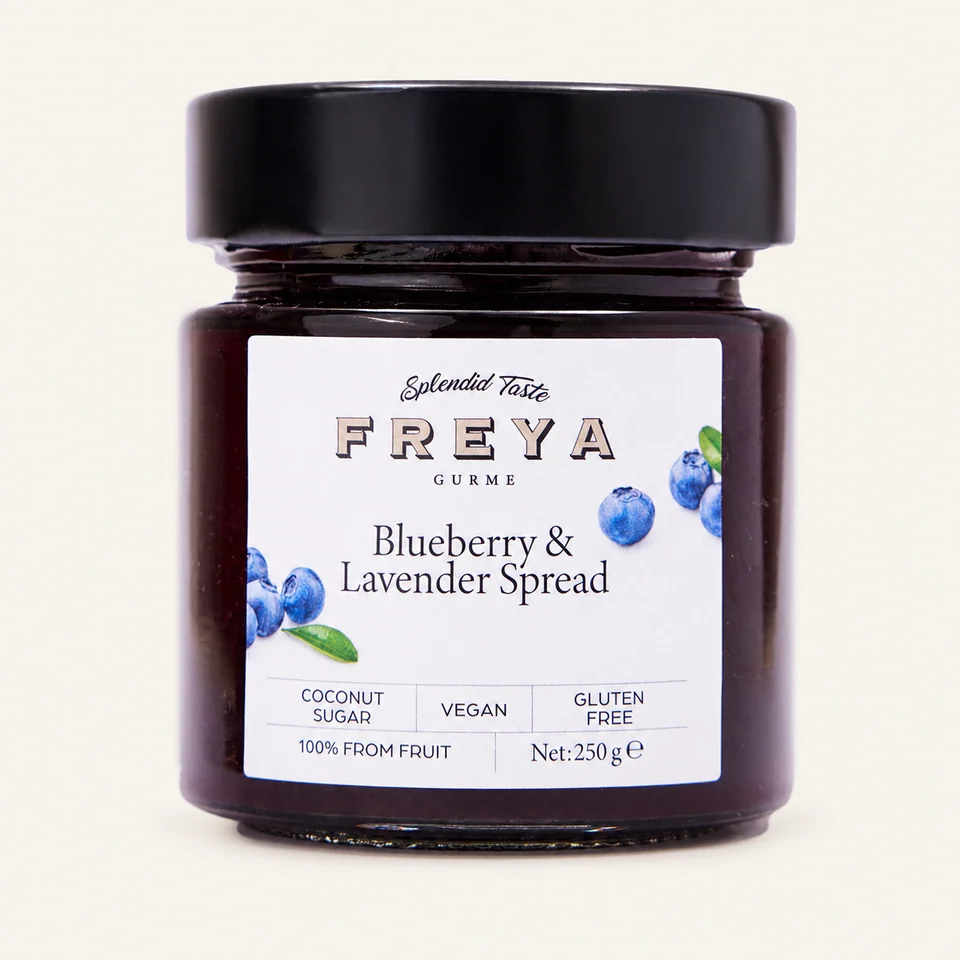
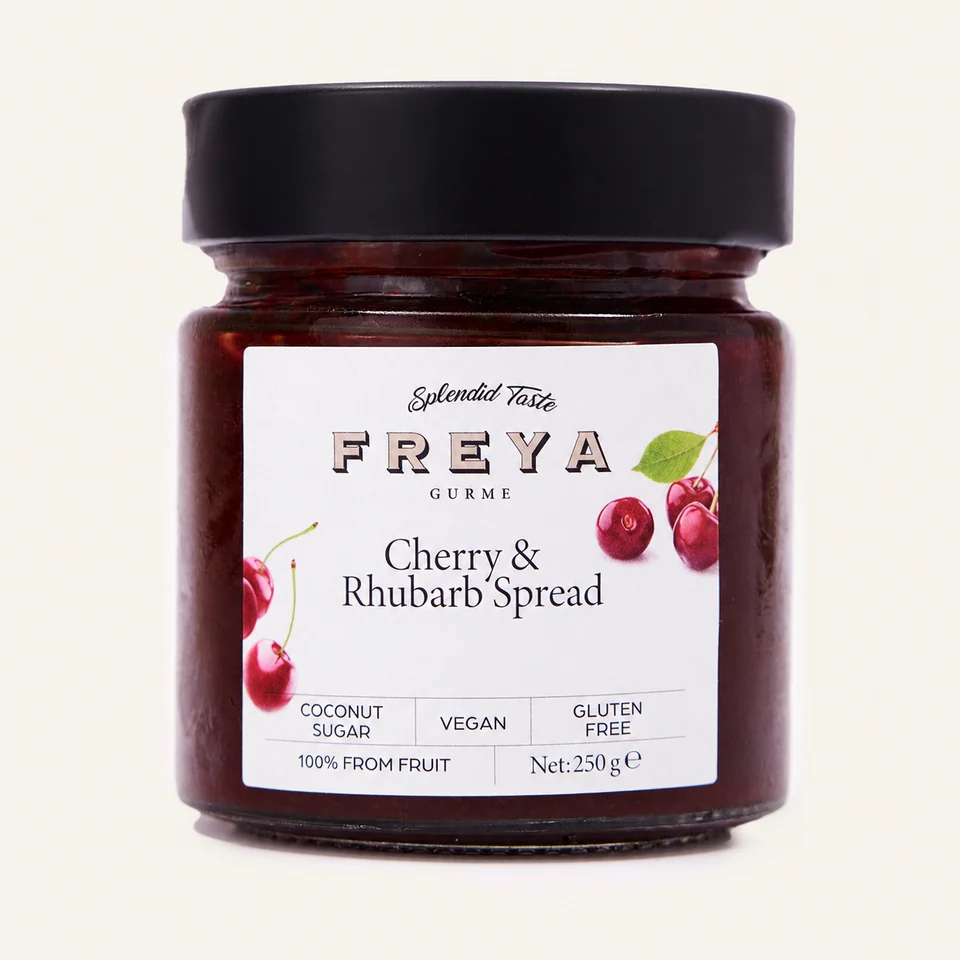
Fig balsamic can complement an aged cheese. A floral blueberry-lavender spread can work with a mild cheese when used sparingly. Tart cherry-rhubarb provides contrast with a rich, creamy bite. Strong blue cheeses may need only a small amount of fruit sweetness.
Regional cheeses are equally welcome. A familiar fresh or aged cheese can be a good starting point for trying an unfamiliar spread. Taste the cheese alone first, then add a little spread and compare.
A board for two
Choose two or three cheeses and one or two spreads. Cut or portion enough to make serving easy, while leaving room for guests to choose the size of their bite. A small bowl of nuts, a little fruit, and plain bread are usually enough to complete the arrangement.
A winter or holiday board
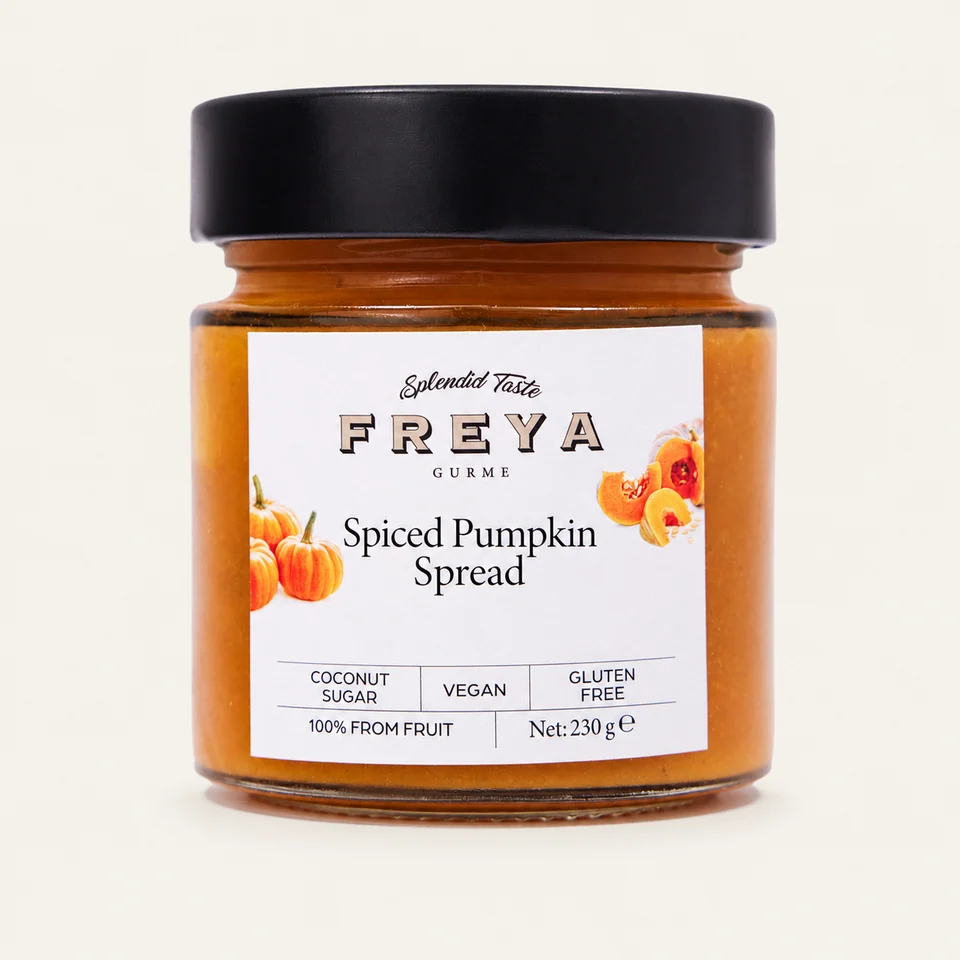
Spiced pumpkin brings a warm flavor direction to a seasonal board. Pair it with a mild or creamy cheese and keep other strongly spiced accompaniments limited. Use seasonal fruit and a few small serving dishes to create variety without crowding the surface.
A larger gathering
For a crowd, divide the accompaniments between more than one small bowl so guests can reach them easily. Replenish smaller portions as needed, following the storage needs of the cheeses. Keep wet fruit and sauces away from crackers to preserve their texture.
A guided tasting
Arrange the cheeses from milder to more assertive as a useful tasting sequence. Offer the spreads separately and let people compare a plain bite with a paired bite. Bread and water give a pause between stronger flavors. Clear labels are useful when guests need to check ingredients or avoid particular foods.
Brunch
Fresh cheese, toast, fruit, and a few spreads make an easy bridge between breakfast and a cheese board. Keep portions and presentation relaxed. A tart spread beside a creamy cheese may be all the contrast a simple plate needs.
Serve every ingredient according to its own storage guidance. For presentation, focus on access, clean utensils, and distinct textures; those details matter more than elaborate decoration.