
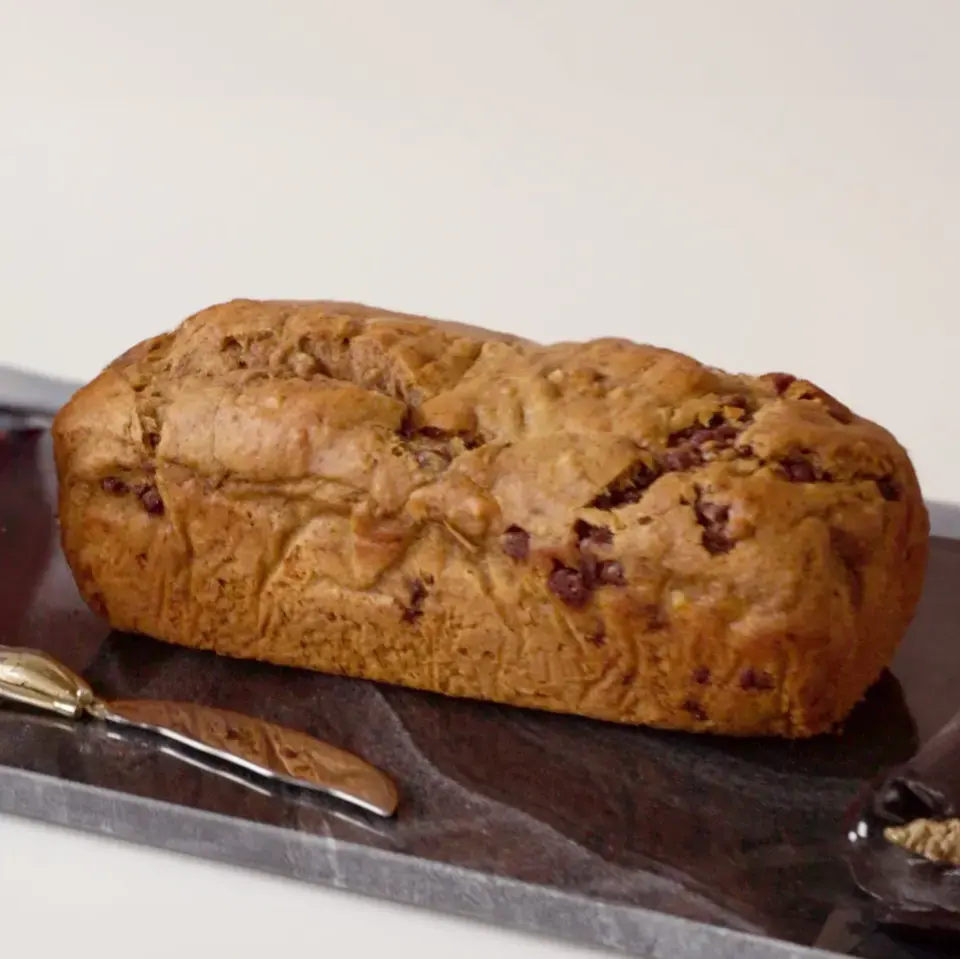
Replacing white sugar is a recipe decision as well as a flavor decision. A different sweetener can change color, moisture, spread, and texture. Before making a substitution, decide whether you want a different taste, a different ingredient, or less sweetness; those goals may call for different approaches.
Coconut sugar and other granulated options
Coconut sugar brings a darker color and a toasted flavor. Those qualities can suit some cookies, cakes, and coffee drinks, but may change the character of a delicate dessert. It is still sugar and should not be described as a sugar-free alternative.
A one-for-one replacement may work in some recipes, but it is not a universal rule. Follow a recipe written for the sweetener you plan to use when structure and texture are important.
Honey, syrups, and fruit ingredients
Liquid sweeteners bring moisture as well as sweetness. Fruit purées and spreads also contain water, fiber, acidity, and other ingredients that affect a mixture. They cannot be assumed to perform like dry sugar in a cake or cookie.
Check the label on fruit spreads: some contain added coconut sugar or another sweetener. Adding them to a dish does not necessarily reduce its sugar content.
Cakes and cookies
Start with a complete recipe that uses your chosen ingredient. Sugar contributes more than sweetness, so reducing or replacing it may change browning and texture. For a first attempt, make a small batch and assess the result before preparing a large tray for guests.
Darker sweeteners can be a good flavor match for chocolate, nuts, and warm spices. In a pale cake or a lightly flavored cookie, their color and aroma will be more noticeable.
Hot and cold drinks
Hot coffee and tea make it easy to dissolve small amounts of granulated sweetener. For cold drinks, dissolve it in a little warm liquid first, then mix it in gradually. Taste the drink before adding more, particularly when it contains sweetened milk or fruit.
Breakfast
Fruit can provide sweetness and texture in yogurt, porridge, pancakes, and crepes. A spoonful of spread may be enough without adding syrup as well. Compare the complete bowl or plate, not just one ingredient in isolation.
Milk desserts and syrup-soaked pastries
In puddings and other milk-based desserts, a darker sugar can noticeably change the color and flavor. In pastries that depend on a particular syrup consistency, substitutions need a recipe designed for them. Avoid assuming that a different sugar will behave identically during cooking.
Keep the claim modest
Natural-sounding names do not make sweeteners calorie-free or suitable for every dietary need. Choose them for an understood culinary purpose and use the quantity the recipe requires. Flavor, color, moisture, and texture are useful ways to compare what each ingredient brings to the kitchen.